Introduction
Radiator valves are a small but essential component of any towel radiator installation. While they are often overlooked during the buying process, the correct valves play an important role in ensuring reliable heating performance, efficient operation, and a professional installation.
With a wide variety of radiator valves available, selecting the right option can be confusing, particularly when replacing existing valves or installing a new heated towel rail. Understanding the differences between valve types and their intended applications helps ensure compatibility with your heating system while avoiding unnecessary installation issues.
This guide explains everything you need to know about choosing radiator valves for a towel radiator, from valve shapes and control options to sizing, compatibility, and installation considerations, helping you make an informed purchasing decision.
What is a radiator valve and what does it do?
A radiator valve regulates the flow of heated water into and out of the towel radiator. Acting as the interface between the radiator and the central heating pipework, it controls how much hot water passes through the radiator, and consequently how much heat is emitted into the room.
Every wet central heating system relies on controlled water circulation. As hot water enters the radiator through the flow pipe, heat is transferred to the surrounding air before cooler water exits through the return pipe and flows back to the boiler or heat source to be reheated. The radiator valve regulates this continuous circulation, helping to maintain consistent heat output and balanced system performance.
How many valves does a towel radiator need?
A towel radiator requires two valves, each serving a different purpose:
- Control valve: Fitted on the flow side, this valve regulates the amount of hot water entering the radiator. It may be manual, thermostatic, or smart.
- Lockshield valve: Installed on the return side, it balances the water flow through the radiator. Once adjusted during system balancing, it is usually capped and left untouched.
The three things that decide which valve you need
Choosing radiator valves becomes much simpler when broken down into three practical decisions:
- Valve shape: Determined by how the heating pipework reached the towel radiator
- Valve control: Determined by how you want to regulate room temperature, whether manually, thermostatically, or through smart heating controls
- Heating configuration: Determined by whether the towel radiator operates on a standard central heating system or a dual fuel model
These three factors form the basis of every radiator valve selection. Once they have been established, the remaining considerations, such as valve size, finish, and compatibility, become much easier to address.
Which valve shape do you need?
The correct valve shape depends on the direction of your heating pipework and how it connects to the towel radiator. Before buying, look at where the pipes enter the room and trace them to the radiator connections, then match that route using the table below.
|
Pipework layout |
Radiator connection |
Recommended valve |
|
Pipes rise from the floor |
Side connection |
Angled valve |
|
Pipes rise from the floor |
Bottom connection |
Straight valve |
|
Pipes emerge from the wall |
Side or bottom connection |
Corner valve or angled valve |
|
Pipes run along the wall (uncommon) |
Side connection |
Straight valve |
Note: Where pipes come from the wall, either works, however, corner valves sit closer to the wall for a tidier finish, while angled valves protrude slightly further. See below for more on each.
Angled radiator valves
Angled valves change the direction of water flow by 90°, making them the most common choice for towel radiators. They suit pipework that rises from the floor and connects to the side of the radiator, and can also be used where pipes come from the wall.
Straight radiator valves
Straight valves allow water to flow in a direct line without changing direction. They are best suited to installations where the pipework rises vertically from the floor and aligns directly with the radiator connections.
Corner radiator valves
Corner valves are designed for pipework that exits the wall and connects vertically into the radiator. Their compact design keeps the valve closer to the wall, creating a cleaner and more discreet finish.
Bidirectional vs unidirectional valves
Some radiator valves are bidirectional, meaning they can be fitted to either side of the radiator. Unidirectional valves must be installed on the flow pipe and are identified by an arrow on the valve body indicating the direction of water flow. Installing a unidirectional valve incorrectly can reduce heating performance and affect thermostat operation.
Which type of control do you need?
The control valve determines how the towel radiator is operated. The best choice depends on your budget, the level of temperature control required, and whether your heating system includes smart home technology.
|
Valve type |
Best for |
Key advantages |
|
Manual |
Simple heating systems |
Low cost and easy to operate |
|
Thermostatic Radiator Valves (TRVs) |
Most homes |
Automatic room temperature control |
|
Smart TRV |
Smart heating systems |
App control and scheduling |
Manual radiator valves
Manual valves are adjusted by hand to increase or reduce the flow of hot water. They are reliable, affordable, and available in a wide range of finishes, but they do not regulate room temperature automatically.
Thermostatic Radiator Valves (TRVs)
TRVs automatically adjust the water flow to maintain the selected room temperature, helping to improve heating efficiency and reduce energy consumption. The numbered settings control the target room temperature, not the radiator temperature. For example, setting 3 typically corresponds to around 20°C, though the exact temperatures vary between manufacturers.
Smart radiator valves
Smart radiator valves connect to compatible smart heating systems, allowing remote control through a mobile app. Many models also support scheduling, geofencing, and energy monitoring for greater control over household heating.
Tip: If a TRV is covered by towels, it may sense trapped heat and close the valve too early. In these cases, a remote sensor, manual valve, or an appropriately positioned TRV can provide more accurate temperature control.
Which valve setup is right for your towel radiator?
The type of heating system determines the valve arrangement required for your towel radiator.
Central heating towel radiators
A standard central heating towel radiator requires a pair of radiator valves: one control valve and one lockshield valve. The radiator only produces heat while the central heating system is operating.
Dual fuel towel radiators
Dual fuel towel radiators combine central heating with an electric heating element, allowing the radiator to operate independently when the boiler is switched off. These require a dual fuel valve set, which accommodates both the element and the central heating connection without additional fittings.
|
Heating system |
Valve requirement |
When to choose |
|
Central heating |
Standard valve pair |
Homes using the boiler as the primary heat source |
|
Dual fuel |
Dual fuel valve set |
Year-round towel drying and independent summer heating |
Dual fuel valves are only required if the towel radiator is designed to accept an electric heating element. If you plan to convert a compatible towel radiator in the future, selecting dual fuel valves during installation can simplify the upgrade.
What size radiator valve do I need?
Most domestic heating systems use 15 mm pipework with ½″ BSP (British Standard Pipe) radiator threads, making this the standard valve size for the majority of towel radiators sold in the UK and Ireland. However, older properties may have 8-10 mm microbore pipework, while some larger heating circuits use 22 mm pipes.
Before purchasing replacement valves, measure the outside diameter of the existing pipework and check the radiator's connection size. If the pipe and valve sizes differ, suitable adaptors can usually be fitted.
Checking pipe centres
The pipe centres refer to the distance between the two heating pipes supplying the towel radiator. This measurement should correspond with the radiator's inlet spacing to ensure the valves align correctly. Incorrect pipe centres may require pipe alterations or extension fittings during installation.
Are radiator valves universal?
Most radiator valves perform the same function, but they are not universally interchangeable. Compatibility depends on the pipe diameter, thread size, valve shape, and pipework layout. Always check these specifications before purchasing replacement valves, rather than selecting a valve based solely on its appearance.
Choosing the finish and style
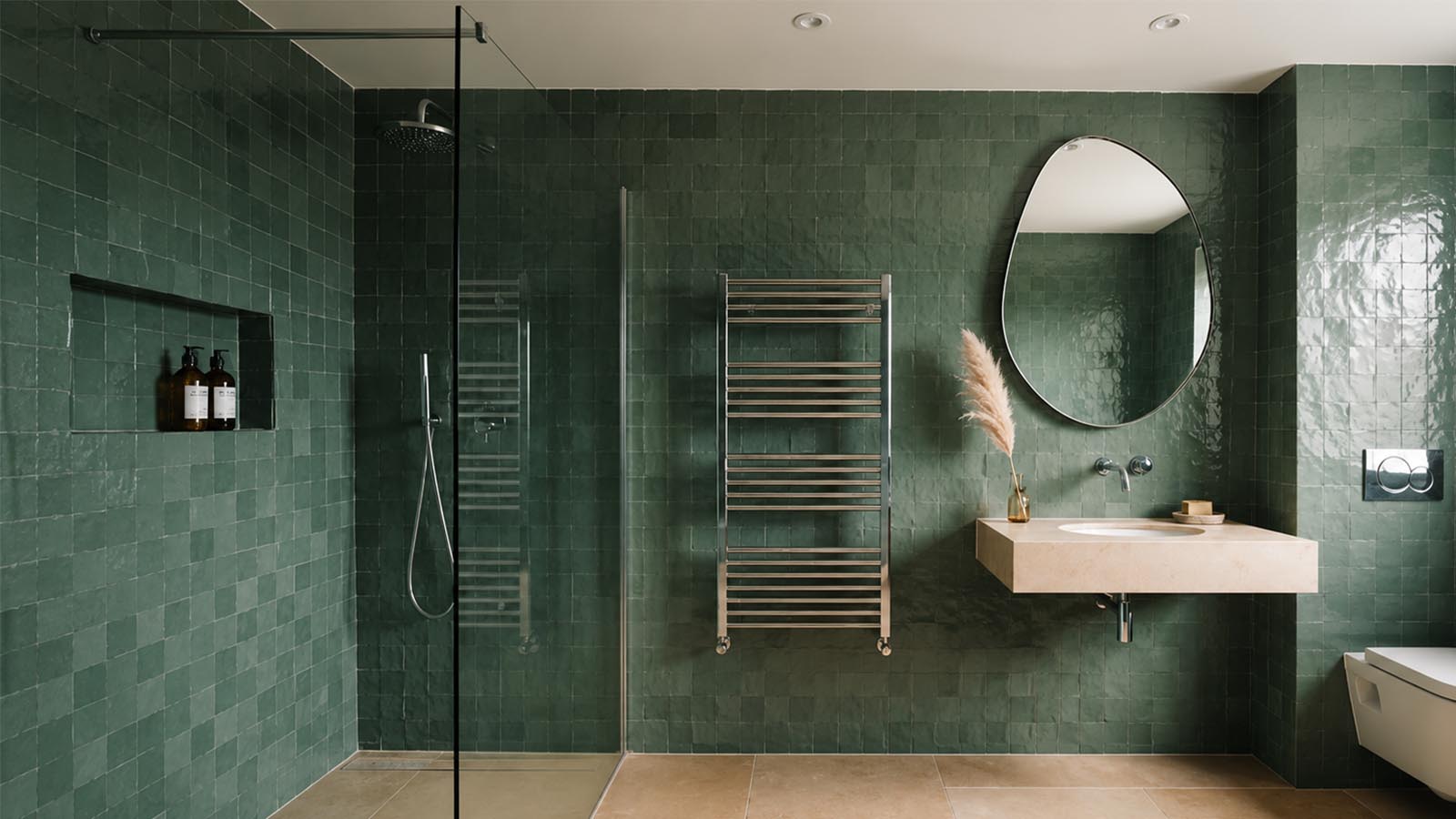
Once the correct valve type has been selected, the final decision is the finish and overall design. Matching the radiator valves to the towel radiator creates a more cohesive appearance and complements the bathroom’s overall style.
For contemporary bathrooms, minimalist valve bodies with round or square profiles are the most common choice. Traditional interiors often suit decorative valves with wheel-head or crosshead handles, pipe sleeves, and matching wall flanges.
Popular finishes include:
|
Finish |
Best suited to |
|
Chrome |
Modern and contemporary bathrooms |
|
Matt black |
Industrial and minimalist interiors |
|
Anthracite |
Modern designer towel radiators |
|
Brushed brass |
Luxury and traditional spaces |
|
Nickel (brushed or polished) |
Neutral contemporary and classic schemes |
|
White |
Classic white towel radiators |
|
Antique brass |
Period and Victorian-style bathrooms |
|
Copper |
Industrial and rustic interiors |
|
Brushed bronze |
Warm-toned contemporary schemes |
|
Grey / silver |
Neutral modern schemes |
For the closest colour match, many manufacturers recommend selecting radiator valves from the same collection as the towel radiator, as finishes can vary slightly between brands.
How much do radiator valves cost?
Radiator valve prices vary depending on the control type, finish, and construction quality. Manual valves are generally the most economical option, while smart radiator valves command the highest prices due to their advanced control features.
|
Valve type |
Typical price range* |
|
Manual valve pair |
£15–£40 |
|
Thermostatic (TRV) pair |
£25–£70 |
|
Smart radiator valve |
£50–£120+ |
|
Dual fuel valve set |
£40–£100+ |
*Typical UK market prices vary by finish, brand, and specifications.
Installation costs may vary depending on whether the valves are being replaced like-for-like or fitted as part of a new towel radiator installation. Additional work, such as modifying existing pipework or installing a dual fuel heating element, will increase the overall cost.
Radiator valve buying checklist
Before purchasing radiator valves for your towel radiator, confirm the following:
- Valve shape - Choose angled, straight, or corner valves to suit your pipework layout
- Control type - Decide between manual, thermostatic (TRV), or smart valves based on your heating requirements
- Heating system - If you have a dual fuel towel radiator, ensure the valves are compatible with an electric heating element
- Valve size - Verify the pipe diameter, radiator thread size, and pipe centres to ensure compatibility
- Finish and style - Select a finish that complements your towel radiator and bathroom décor
- Installation - Like-for-like valve replacements are often straightforward, but changes to pipework or dual fuel installations should be carried out by a qualified heating engineer
Choosing the correct radiator valves from the outset helps ensure efficient operation, easier installation, and reliable long-term performance.
Conclusion
Choosing the right radiator valves is about more than appearance. The correct valve shape, control type, size, and compatibility all contribute to efficient heating performance, straightforward installation, and reliable long-term operation.
By identifying your pipework layout, selecting the appropriate control option, and confirming compatibility with your heating system, you can choose radiator valves that complement both your towel radiator and your home’s heating requirements. Whether you're replacing existing valves or installing a new heated towel rail, investing in quality and correctly specified valves will help maximise comfort, efficiency, and performance.